



Tripel: what exactly is it, how does it taste, and how do you recognize good examples?
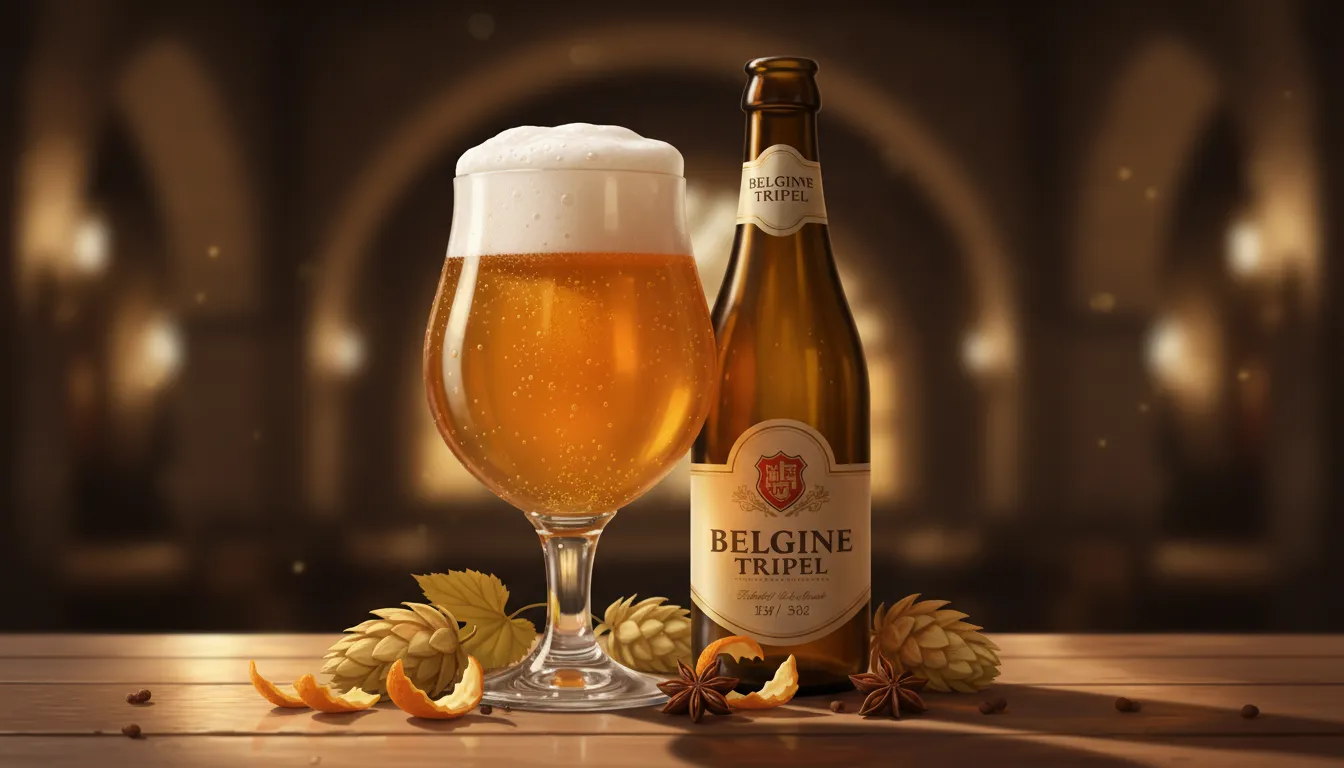
A tripel is an iconic Belgian beer style known for its combination of strength, complexity, and yet surprisingly drinkability. If you search for “what is tripel,” you mainly want to know: what makes a tripel a tripel, how to taste it, and what to look for when buying or serving.
This guide explains it in a practical way, including common misunderstandings and tips to better understand and more easily recognize tripel, even if you’re just starting with Belgian beers.
🍺 Tripel in one sentence: what it means and what to expect
A tripel is a strong Belgian beer (usually blond) characterized by powerful fermentation traits, often fruity esters like banana, a spicy or lightly herbal impression, and a dry to semi-dry finish due to long maturation and bottle refermentation.
In practice, you usually get a beer that you don’t “drink down” like a light session beer. It’s more meant as a sipping beer: you take your time, actively smell and taste, and notice that the flavors change as the glass warms up.
🔎 Where does tripel come from: a brief historical overview
The style is closely linked to the Belgian tradition of top fermentation (and often slow maturation). Tripels became appealing because they simultaneously:
- were strong,
- could appear clear or blond (instead of dark like many older Flemish traditions),
- and thanks to the process choices did not have to taste “harsh”, despite the high alcohol content.
Important to know: the label “tripel” is sometimes used as if it refers to one exact recipe. In reality, it is a style name with a core character. Variations remain, especially because brewers differ in yeast expression, hop balance, and maturation approach.
📌 Recognizing tripel: characteristics in smell, taste, and appearance
When evaluating tripel for the first time, pay attention to three layers: visual, aroma, and structure/finish.
👁️ Appearance: from gold to pale yellow and often a sturdy foam head
Many tripels are blonde to golden yellow. Because there is often bottle conditioning, you can sometimes see a subtle haze or more yeast sediment in the bottle. A good pour usually produces a stable foam head.
👃 Aroma: esters, “ripe fruit,” and spicy notes
The most common recognition is fruitiness from yeast. Many people call that banana-like, but you can also encounter other fruity or spicy notes, such as:
- banana or other “ripe fruit” (often esters, not the taste of real banana),
- light citrus or lemon peel impression,
- spiciness (often more yeast-driven than hop-driven),
- regularly a caramel-like or pastry-like impression, especially in slightly riper or fuller variants.
👅 Flavor and mouthfeel: strength without heavy sweetness
What makes tripel so special is the contrast between high alcohol content and a relatively “clean” or crisp-feeling profile. This often comes from a combination of:
- long fermentation and maturation,
- sufficient attenuation (less sticky sweetness),
- reactivation in the bottle (for complexity and texture).
Typically you taste:
- a rich build-up (starting with esters and sweet baked notes),
- a greater depth as the glass warms,
- a finish that often feels drier than you would expect based on the strength.
🍌 “Banana”: why it appears so often in tripel
The banana-like character usually comes from yeast effects, especially esters. It’s not about “adding banana flavor,” but about aromas created by the way the yeast ferments.
Note: the banana content varies by brewer. Some tripels maximize that ester expression. Others make it subtler or shift the emphasis to spiciness, citrus, or softer baked notes.
⚖️ Tripel versus Belgian blonde: what is the real difference?
Much confusion comes from the fact that both tripel and strong Belgian blonde (often called “Belgian strong blonde”) usually belong to the same family of Belgian beers: blonde, top-fermented, yeast-driven aroma.
The difference often lies less in the “right ingredients” and more in intention and balance.
Tripel: more “sipping”, complexity, and changing notes
- You expect a deeper complexity.
- The flavor continues to develop as the glass warms up.
- The balance often focuses on detail and texture.
Strong Belgian blond: often more “easy drinking,” less emphasis on yeast expression
- It is often fresher and lighter in experience.
- The finish can feel faster.
- You more often taste a clear, drinkable style with less “sip intensity.”
That doesn’t mean the strong Belgian blond is “bad.” It’s just a different experience. Many people choose that style with food because it pairs more easily.
🍟 Pairing tripel with food: how to do it without risk?
Tripel is powerful enough to work with full flavors, but the yeast and often lightly dry finish also make it versatile.
Top picks for tripel
- Creamy sauces (think cheese sauces): the yeast complexity supports, the alcohol lifts the flavor.
- Roasted or caramelized dishes: the “pastry” impression can come back nicely.
- Grilled chicken, pork, or poultry: the esters match with spicy and light smoky notes.
- Richer fish dishes with sauce or butter: yes, even that can work, provided it’s not too sharply spiced.
What to preferably avoid?
- Very spicy without fat or sweetness (tripel can then feel “sharp” more quickly).
- Too sour flavors if your tripel leans more towards pastry and caramel: sometimes that clashes with fruity esters.
Rule of thumb: if your dish is rich, baked, or creamy, tripel is often a good match. If the dish is mainly spicy, vinegary, or extremely sour, choose something with a different balance or more body in the counterpart.
🧪 What makes a tripel “tripel” in the brewing process?
You can usually understand tripel better by looking at the process rather than a single ingredient. Three factors consistently come up:
1) Yeast expression is the engine of aroma
Tripel relies heavily on Belgian yeast characteristics. This means that yeast choice and fermentation temperature largely determine the “banana, spiciness, and citrus” notes.
2) Long maturation makes it stronger but also cleaner
Many tripels are given time to mature. This helps to:
- smoothing out rough edges,
- integrating the flavor,
- making the alcohol profile less “burning.”
3) Bottle aging and refermentation add texture
Many tripels are bottled with live yeasts or continue maturing in the bottle. This can result in:
- a richer foam and mouthfeel experience,
- subtle secondary aromas,
- a transition to a slightly hazy appearance (depending on how long it’s been standing and how clear the final pour is).
That’s why pouring, temperature, and storage also affect how “tripel” you experience it.
🌡️ Serving advice: temperature, glass, and pouring technique
Tripel is best enjoyed when not served too cold.
Temperature
- Cool to lightly chilled before opening the bottle.
- Then let the glass come to a temperature between 8 and 12 °C (guideline). Many people find the aromas open up better once it’s a bit warmer.
Glass
A special beer glass with a tulip or chalice shape often helps to lift the aromas and keep the foam head stable. Don’t use too wide a glass if you want to pick up a lot of aroma.
Pouring
- Pour gently to get a stable foam head.
- Stop pouring if the last yeast sediment rises too much (not always harmful, but it affects clarity).
⚠️ Common mistakes with tripel (and how to avoid them)
Once you know what to look for, tripel becomes much easier to appreciate. These mistakes are common.
Mistake 1: Pouring too cold
At low temperatures, esters and spiciness are less pronounced. You then get a quicker alcoholic impression and less finesse.
Mistake 2: Expecting tripel to be a “snack beer”
Tripel is usually meant to be tasted. That doesn’t mean you can’t enjoy it with food, but it works better if you take your time.
Mistake 3: Confusing with other strong Belgian styles
Much overlap in aroma (from yeast) creates recognition, but the balance is often different. That’s why a strong Belgian blond can be great, while it doesn’t give the same “sip intensity” as tripel.
Mistake 4: Focusing only on alcohol percentage
Although tripels are strong, the alcohol level is only part of the experience. It’s about fermentation degree, maturation, hop balance, and especially how clean and integrated it feels.
🧭 How do you choose a tripel that suits your taste?
Tripel varies. Some are clearly ester-driven and fruitier. Others are more pastry-like, spicier, or drier. Use this quick selection tool.
If you like…
- very distinct fruit esters: choose tripels with a strong banana or ripe fruit nose and a somewhat softer, round start.
- a drier, tighter finish: look for tripels described as “dry,” “tight,” or with a “lager-like” feel in the finish.
- more complexity and depth: look for beers with known long maturation or bottles that continue to mature.
Quick check in the store
- Check if it’s a “trappist” or “abbey” style. That says something about tradition and process choices, not about individual quality.
- Pay attention to guidelines like “bottle aging” and “refermentation.” That often affects the texture.
- Preferably buy fresh enough, but not necessarily extremely young. Tripel can continue to integrate in the bottle.
📚 Tripel and “classic rules”: how much can you rely on style guides?
You often find tables online that classify tripel and other styles exactly. That helps to orient yourself, but in practice what counts is:
- brewer’s intention,
- style interpretation,
- and especially the balance you taste.
That’s why it’s better to use style descriptions as a starting point and base the final judgment on how the beer layers come together in aroma, taste, and finish.
🧠 Mini tasting guide: how to evaluate a tripel in 2 to 3 minutes
- Nose: note your first impression. Is it mainly fruit (esters), spiciness, or pastry-like notes?
- First sip: check the balance. Does it feel rich and round or rather tight and dry?
- Finish: ask yourself if the flavor lingers as a “sipping” experience or fades quickly.
- Mouthfeel: pay attention to carbonation. Is it creamy and textured or sharper and more lively?
If you do this, you’ll recognize tripel faster, even when a brewer takes a slightly different direction.
✅ Takeaway: this is how you know you have a real tripel
You recognize a tripel not only by the name or alcohol percentage. You see it in a combination of:
- strong yeast-driven with fruity esters (often banana-like notes),
- aging that integrates strength and keeps the flavor “clean”,
- a finish that often feels surprisingly easy to drink, but is still meant as a sipping beer,
- texture often associated with bottle aging or refermentation.
Have you ever tried a strong Belgian blonde and found it tasty but different? Then you’ve probably already learned an important lesson: within Belgian blonde, strong variants there are clear differences in intention and balance. That’s exactly what makes tripel one of the most sought-after styles.
Try two tripels side by side and use the mini tasting guide. You’ll quickly notice how different “banana,” “drier finish,” and “pastry-like complexity” can be, even within one style name.