



Are home draft systems worth it? Honest guide about PerfectDraft, Fizzics, and bottled beer
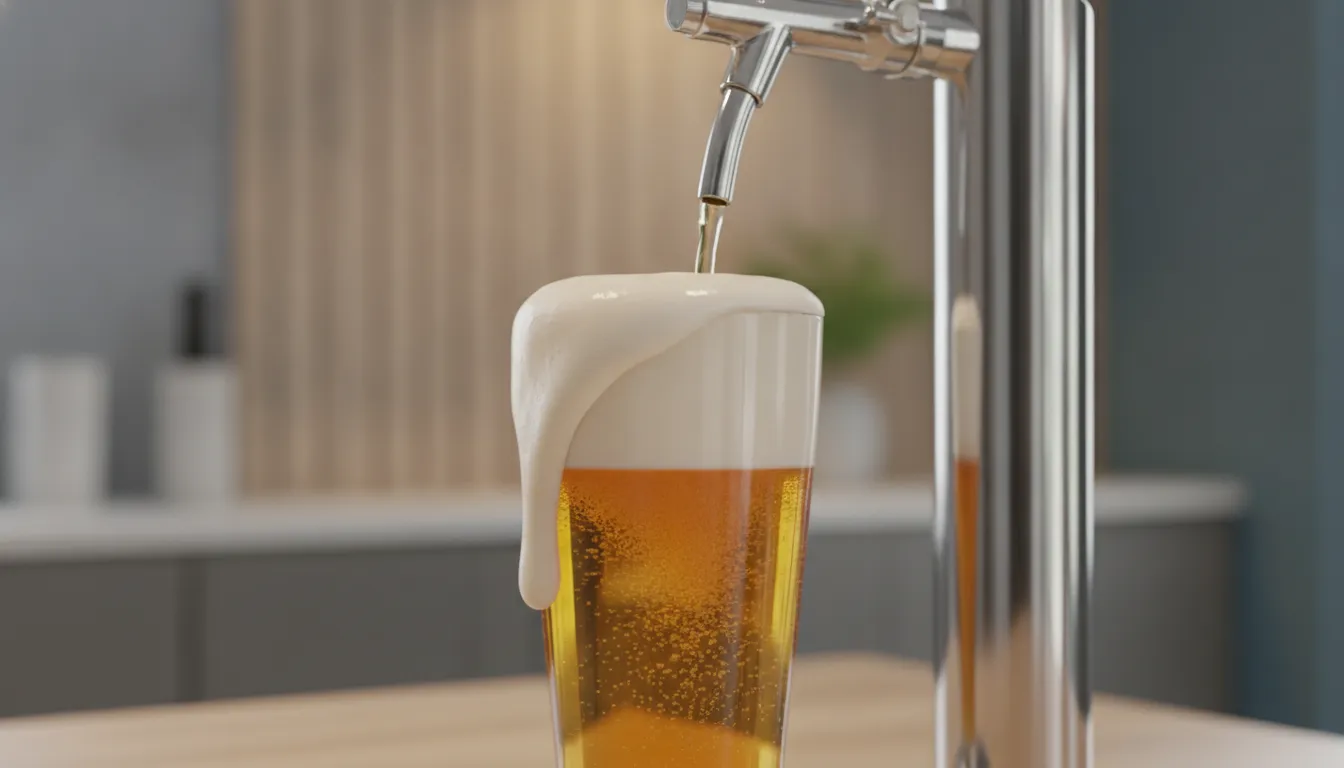
A home draft system promises something many beer lovers seek: a draft experience at home, with better foam head, softer carbonation, and a pilsner or specialty beer at the right temperature. The big question is whether such a system really justifies the high entry price.
The short answer: yes, absolutely for some drinkers. But it depends heavily on what you value. If you mainly want the most pub-like draft beer at home, a system like PerfectDraft is very appealing. If you’re mainly looking for a better glass of beer from bottle or can without being tied to specific kegs, an alternative like Fizzics might make more sense. And if you drink beer occasionally and mostly care about price, pouring well from bottle or can often remains the smartest choice.
Below you’ll read what home draft systems do exactly, how they perform compared to bottled beer, where the differences lie in foam, carbonation, freshness, and ease of use, and for whom the investment really makes sense.
🍺 What exactly is a home draft system?
A home draft system is a device that lets you pour beer at home with more control over temperature, foam formation, and presentation than simply pouring from a bottle or can. The idea is simple: you get close to the experience of draft beer without needing a full bar setup.
There are roughly two types of systems relevant here:
Closed keg systems, like PerfectDraft. Here you place a special beer keg in a cooled device that keeps the beer at serving temperature.
Pour enhancers, like Fizzics. These work with beer from bottles or cans and try to create a draft-like result through the pouring process.
That difference is important. A closed keg system isn’t just about foam. It’s also about constant cooling, protection from light, and a longer period of stable serving quality. A pour enhancer is more flexible but still works with packaged beer as a base.
❄️ Why does draft beer at home sometimes taste better than bottled beer?
The biggest benefit of a good home draft system usually isn’t in spectacle, but in details that together make a big difference in the glass.
Temperature control
Beer tastes different when served at exactly the right temperature. With a keg system, you can bring the beer back to a low, stable temperature. In practice, this makes a big difference especially for lager and pilsner. The beer comes across as fresher, crisper, and often better balanced.
Foam quality
A nice foam head not only looks good. Fine, dense, and moist foam also helps preserve aroma, mouthfeel, and drinkability. Large bubbles and dry, airy foam usually give a less refined impression than compact foam with small bubbles.
Carbonation experience
The same beer can come across as sharper and fizzier from a bottle than from a good tap system. Especially with styles that benefit from softer carbonation, like some lagers, that can noticeably improve the drinking experience.
Freshness impression
Beer from a cooled, sealed keg can taste fresher than the same variant from a bottle. That’s not only because of temperature. Presentation, foam formation, and limited exposure to light also play a role.
🏠 Who is a PerfectDraft-like system intended for?
A premium home draft system is especially interesting for people who often drink beer at home and really value the tap experience.
It suits you best if you recognize yourself in a few of these points:
You regularly drink lagers or beers that benefit from a tight, cold serving style.
You find foam, texture, and serving temperature important.
You want a beer experience at home that is closer to the pub than bottles or cans usually offer.
You like to be able to tap from the same keg for several days or weeks.
You are willing to pay more for ease of use and quality in the glass.
Such a system is less logical if you:
but only drink beer occasionally
you like to switch between various loose bottles and cans
you have a limited budget
you don’t want an extra device in the kitchen
⚙️ How user-friendly is a system like PerfectDraft?
An important advantage of modern home draft systems is that they are relatively easy to set up. The process usually consists of a few fixed steps:
Connecting the tap parts.
Placing the keg in the device.
Letting the system recognize and cool the beer.
Attaching a tap handle or lever.
Waiting until the right serving temperature is reached.
In use, such a device actually feels like a small beer cooler with a tap function. If the keg is already cooled before you place it, you’re ready faster. In the source information, a keg dropped from about 16 degrees to 4 degrees in roughly two and a half hours. That gives a fairly practical picture: for spontaneous use you need to plan ahead, but it’s not a whole day’s project either.
Some systems also have app functionality or a digital screen where you can read the temperature. That’s handy because you can see exactly when the beer is at serving level.
📏 What is the real quality gain in the glass?
The core question is of course not how nice the device looks, but whether the beer really gets better. Based on the available comparisons, the answer is clear: yes, a good home draft system delivers noticeably better results than simply pouring directly from a bottle.
The main improvements that emerged:
Softer texture in the beer
Less aggressive carbonation prickling
Neater, more compact foam head
Fresher taste impression
More pub feeling in presentation and mouthfeel
Especially with a softly carbonated lager, the difference was noticeable. The version from the home draft system came across rounder and less sharp, while the bottle variant felt somewhat more pronounced in bitterness and fizzier.
That does not mean bottled beer is bad. A good beer from a bottle can still be delicious. But when you place two glasses side by side, it often appears that the tap system gives a more refined overall picture.
🔬 PerfectDraft versus bottled beer: what are the differences?
Those looking for home draft systems usually want to know if the difference with a regular bottle is really big enough. Below are the main points.
1. Foam head
A home draft system usually produces a tighter foam head with smaller bubbles. That not only looks better but often lasts longer.
2. Carbonation
Beer from a bottle can seem livelier and more carbonated. That is not necessarily wrong, but it is different. For some beer styles, a softer carbonation feels more pleasant and easier to drink.
3. Flavor balance
Due to the lower, stable temperature and softer mouthfeel, bitterness and freshness can come forward differently. A beer can seem less sharp and more balanced.
4. Consistency
A keg system generally provides a more consistent result from glass to glass. When pouring from a bottle, more depends on temperature, technique, and glass.
The conclusion is simple: there is a real quality difference between well-poured home beer and standard bottle serving, especially if you are sensitive to texture and foam.
⚖️ PerfectDraft versus Fizzics: which is better?
This is probably the most interesting comparison, because both systems aim for a better home experience, but through a very different principle.
Where PerfectDraft is stronger
Fresher taste impression thanks to chilled keg and closed system
Temperature control at serving level
More authentic tap experience
Longer use of the same keg, up to 30 days after placement
Where Fizzics is stronger
Much lower entry price
Works with almost any can or bottle
More flexibility in beer choice
Also very strong foam result
Interestingly, the difference in foam quality was very close. The foam head from the cheaper system even looked surprisingly tight. Still, the more expensive keg system had a slight edge in overall drinking experience, mainly because the beer came across as fresher and slightly better integrated.
The best choice therefore depends on your priorities:
Choose PerfectDraft if you want the best home tap experience and are fine working with specific kegs.
Choose Fizzics if you want maximum beer choice and especially a clear upgrade compared to normal pouring.
💰 Is a home draft system worth the money?
It all comes down to usage frequency. A premium system is expensive to buy, so the question is not only whether the beer tastes better, but also whether you use it often enough to justify the investment.
A practical starting point from the source information:
About 3 pounds per pint via the system
About 6 pounds per pint for lager at the pub
Based on that, it was estimated that you need around 10 kegs to break even compared to regularly drinking at the pub. This is not a universal calculation for every market, but it shows how you can look at it.
When the value is high
You regularly drink at home instead of outside.
You use the system continuously, especially in warm months.
You care a lot about the quality of foam, temperature, and mouthfeel.
When the value is low
You drink little beer.
You mainly buy individual specialty beers to vary your selection.
You’re only comparing it to cheap supermarket beer at home, not the pub experience.
In other words: this is not a cost-saving hack for occasional drinkers. It’s mainly a quality purchase for enthusiasts who often drink beer at home.
🧊 How long does beer stay good in a home draft system?
A strong argument for a closed keg system is that the beer can remain good for 30 days after tapping. This makes the device useful for people who don’t finish a full keg in one weekend.
That shelf life is practical for three reasons:
You don’t have to rush to finish your beer.
You can enjoy stable quality for several weeks.
The system is also suitable for smaller households or occasional use.
That is an advantage compared to improvised tap solutions, where freshness and carbonation decline faster.
📦 What about beer selection and availability?
This is one of the main disadvantages of systems like PerfectDraft. You are tied to the kegs available for that platform. The source information mentioned about 62 different beers from AB InBev and some partners.
That’s quite a lot, and interesting enough for many drinkers. Especially since it’s not just about lager but also other beer styles. Still, it remains a closed ecosystem. You can’t just put any random beer from any brewer into the device.
A system like Fizzics has a big advantage here. Because it works with bottles and cans, you can basically use almost any beer you buy.
Choose closed keg if you mainly want:
the best draft experience
consistent quality
a fixed range you’re happy with
Choose a flexible system if you mainly want:
lots of variety
independence from a single supplier
access to almost any beer in bottle or can
🍻 Which beer styles benefit the most?
Not every beer benefits equally from a home draft system. Based on the described test, lager is clearly the winner. That makes sense because lager relies heavily on freshness, soft carbonation, and precise serving temperature.
Beer styles that likely benefit greatly from such a system:
Pils and helles
Other fresh lagers
Beers where softer carbonation is desired
Other styles can also work well, especially if available in the right keg size. It was also mentioned that the range doesn’t only consist of lagers but also includes more interesting alternatives.
Still, the more a beer style revolves around cold, clean, smooth, and easy drinking, the clearer the added value of a good draft system often becomes.
🫗 How to pour best from a home draft system?
Even with a good device, technique remains important. For a neat foam head and minimal loss, this simple approach helps:
Use a clean glass. Grease or soap residue ruins foam formation.
Keep the glass tilted, about 45 degrees at the start.
Pour smoothly and controlled. Don’t hesitate when opening and closing.
Hold the glass more upright at the end to build a neat foam head.
Aim for about two fingers of foam, depending on beer style and glass.
A common mistake is thinking that a machine solves everything. In reality, the difference between a messy and a good glass often depends on how you pour.
🚫 Common mistakes with home draft systems
Those disappointed with a draft system often make one of these mistakes:
1. Insufficient cooling
Beer that is too warm foams too wildly and tastes less crisp. Give the system time to reach the right temperature.
2. Incorrect pouring
A poorly maintained glass or nervous pouring quickly causes too much foam.
3. Wrong expectations
A home draft system doesn't turn every beer into a miracle drink. The benefit mainly lies in presentation, texture, temperature, and freshness.
4. Underestimating beer choice
If you like constantly discovering new breweries, a closed keg platform can feel too limiting.
5. Only judging costs by purchase price
The real value depends on how often you use it and what you compare it to. The calculation is different with pub prices than with supermarket bottles.
🤔 Is a cheap alternative maybe smarter?
For many people, yes. A system in the price range of Fizzics is in a completely different category than a fully cooled keg device. It doesn’t deliver exactly the same experience but does offer a clear improvement over just pouring.
That makes a cheaper alternative smart if you:
don’t want to be tied to a limited keg selection
want to spend less
value foam and presentation a lot
regularly drink different beers from bottles or cans
The performance gap turns out to be smaller than many expect. The premium option still wins, but not always by a huge margin.
🧠 When should you NOT buy PerfectDraft?
A clear buying recommendation is sometimes just as useful as a suggestion. Better skip a premium home draft system if one or more of these points apply to you:
You only drink beer at home occasionally.
You have little space in your kitchen or bar corner.
You want complete freedom in beer choice.
You find good bottled beer more than sufficient.
You mainly want to save money, not upgrade the experience.
In those cases, a good glass, the right temperature, and better pouring technique are often a more sensible starting point.
✅ Final verdict: are home draft systems worth it?
Yes, but only for the right user.
A premium home draft system like PerfectDraft is worth it if you really want to approach that draft experience at home and are willing to pay for better temperature control, smoother carbonation, nicer foam, and a fresher overall impression. The quality gain compared to bottled beer is real, especially with lagers.
At the same time, it’s not a universal recommendation. The purchase price is high, you’re tied to a specific keg system, and a cheaper alternative can come surprisingly close, especially if you value flexibility more than absolute top quality.
The quickest buying guide:
Buy a premium keg system if you often drink beer at home and want the best possible draft experience.
Choose a flexible foam system if you drink many different beers and want to invest less.
Stick to bottles or cans if you drink occasionally and mainly care about price.
For the true enthusiast, a good home draft system doesn’t feel like a gimmick but a real upgrade to how beer tastes and feels at home.