



Beer trends 2026: what brewers, cafés and enthusiasts need to know
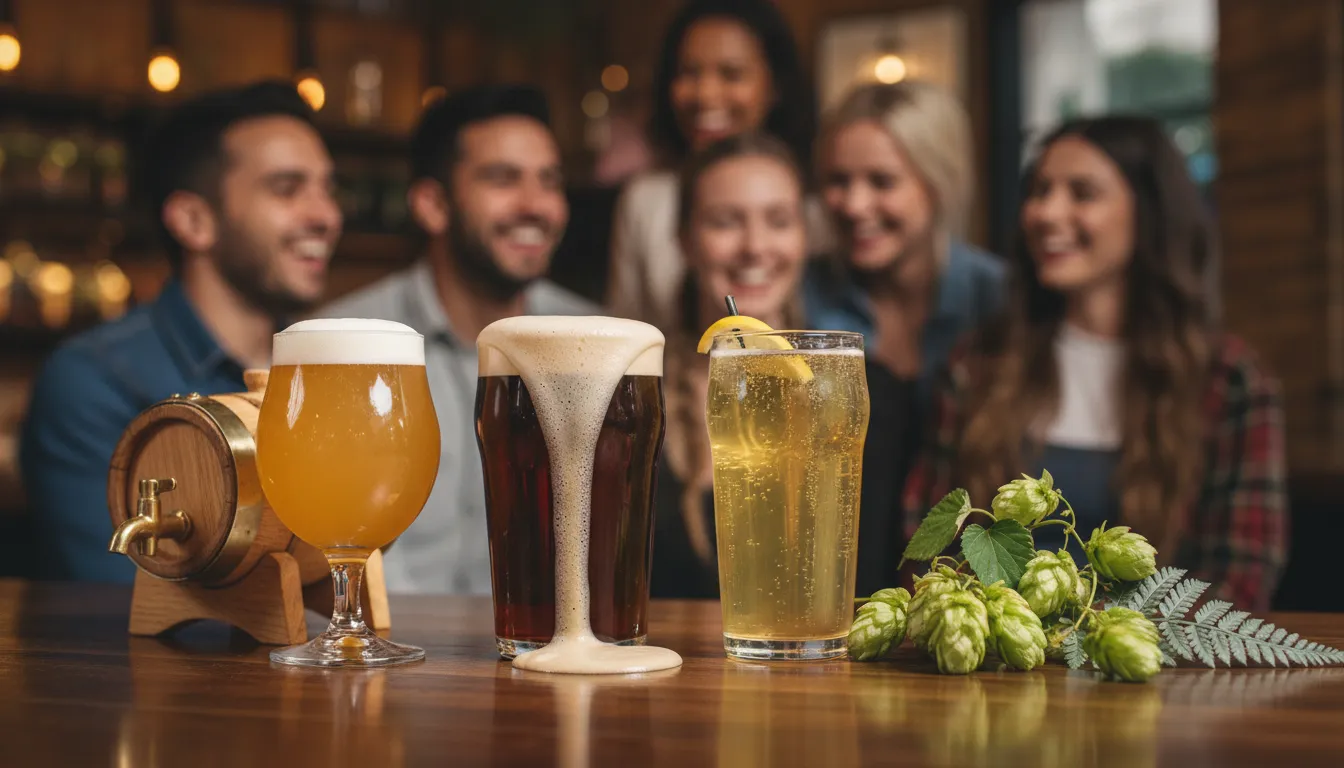
What awaits the world of craft beer and pubs in 2026? This overview brings together the main developments: rising demand for low-alcohol beers, a revaluation of cask and classic styles, the rise of specific hop landscapes, the nitro stout trend, and why pubs are becoming attractive again for younger generations. Each chapter contains concrete tips for brewers, cafés, and consumers so you not only understand the trend but can also strategically respond to it.
🌿 New Zealand hops and the changing hop landscape
New hop varieties continue to broaden the aroma palette of beer. In 2026, the prominent role of New Zealand hops stands out, alongside the ongoing presence of classic American hop varieties and the fluctuating popularity of new breeds like Strata.
What distinguishes New Zealand hops?
- Flavor profile: often fresh, tropical, and sometimes white-fruity with a character some describe as 'green-fruity' and 'compact, chewy' notes.
- Application: particularly good in hazy IPAs, juicy pale ales, and experimental IPAs where the hop aroma is central. They can also add an interesting touch to cocktail-like or mixed-fermentation recipes.
- For brewers: typical character is immediately recognizable; even in small amounts they offer a distinctive signature.
Practical tips for use
- Start with low dosing (0.5-1 g/l) in late kettle-hop or dry-hop to determine the aroma in your base beer.
- Combine New Zealand hops with neutral American C-hops for complexity: NZ for top notes, US hops for citrus/dank backbone.
- Use them in single-hop trials to let their unique terroir speak and promote on your tap list.
Strata: hype, reality, and when to use
Strata received a lot of attention as a new discovery, but the growth of the acreage and visibility is not unlimited. Strata delivers tropical notes and often fruity, sometimes 'dank' or strawberry-like nuances. Don’t expect a guaranteed viral hit: use Strata when you want to make a distinctive, modern IPA, but keep alternatives ready if availability or price fluctuates.
🍺 Low-alcohol and non-alcoholic beers: mainstream growth
Low-alcohol and alcohol-free beers will no longer be niche products in 2026. They are widely offered in taprooms, supermarkets, and hospitality and attract new target groups: health-conscious consumers, designated drivers, and young people who prefer taste over alcohol.
Why is this category growing?
- Lifestyle change: more consumers choose less alcohol without giving up the social aspect of beer.
- Quality improvement: modern techniques (vacuum distillation, arrested fermentation, dealcoholisation with membrane filtration) produce more flavorful low-alcohol beers.
- Marketing and investments: more well-known brands and celebs get involved, improving visibility and distribution.
Which styles work best?
- Refreshing lager and pils variants: accessible and recognizable.
- Hazy pale / juicy low-alc versions: provide flavor without the alcohol.
- Sessional bitters and golden ales: traditionally characterful, easy to drink.
Action points for brewers
- Develop 1-2 quality low-alc alternatives in your core range; focus on balance and mouthfeel over low alcohol alone.
- Invest in test panels and household taste profiles; neutral sweetness and body are often pitfalls.
- Communicate clearly on the label: calories, flavor profile, and serving advice strengthen purchase decisions.
🌊 Hoppy lagers and clear IPAs: the possible shift towards spicy freshness
The logical evolution of drinkers moving from juicy hazy IPAs to something fresher is the rise of Hoppy lagers and clear, Hoppy IPA variants. Think West Coast Pils, Bright IPA, and Mountain IPA: Hoppy, but tight and drinkable.
Why is this a natural step?
- Consumers seek sessionability: lower alcohol, more refreshment.
- Hoppy aromas remain popular, but combined with a drier body.
- Technically feasible: modern lager and ale yeast management makes clean, Hoppy beers easier to produce.
Recipe and brewing advice
- Use clean, neutral malt stacking (pils, pale) and minimal caramel malt for clarity and body.
- Choose hop varieties that emphasize citrus and pine for balance with the lager-like base.
- Keep fermentation temperatures tight and consider lagering for clarity in lager variants.
Handles for cafés and retailers
- Place a hoppy lager next to hazy IPAs as a gateway beer for customers who want "less sticky".
- Use tastings or flights of hoppy lager vs hazy to develop preferences.
☕️ Nitro stouts and creamy dispensing: technology and opportunities
Nitrogenated beer, with its velvety foam and soft mouthfeel, is on the rise. Nitro stouts and porters receive broad attention and offer an attractive experience for pub visitors. The trend includes both kegged nitro and bottled/canned nitro with widgets.
What makes nitro different?
- Gas mix: typically 70/30 or 75/25 N2/CO2 for a velvety foam head and less prickliness.
- Mouthfeel: finer bubbles and softer carbonation provide a creamy character.
- Experience: the substantial foam head and 'creamy' presentation are perceived as more luxurious by customers.
Practical implementation
- For tap: use a specific nitro system with gas blend and restrictor taps (also called stout faucet) for proper injection.
- For cans: widgets or specially designed valves deliver a nitro experience without tap installation.
- Storage and tempering: serve colder than regular ales (around 6-8°C) for optimal foam formation.
Opportunities for independent brewers
- Introduce a local nitro variant as a distinctive product on tap and in cans; this attracts customers looking for a creamy alternative.
- Collaborate with pubs to promote nitro points: 'creamer nights', tasting evenings, and branded merchandise.
🪵 Cask ale: revival of traditionally tapped beer
Real ale and cask-conditioned beers show signs of renewed interest. Both smaller independent breweries and heritage brands respond to this, and the cultural story around cask can appeal to new generations.
Why is cask getting attention again?
- Nostalgia and authenticity: young consumers seek 'honest', artisanal experiences with a story.
- Regional pride: local brands and pubs put regional styles and old recipes in the spotlight.
- New marketing: better storytelling and social media show pubs and cask experiences as attractive and instagrammable.
Quality and serving advice for cask
- Cellaring: storage temperature 11-13°C for bitters and pale ales; lower for special cases depending on style.
- Short turnover: keep kegs small and fresh; cask quickly loses aroma after tapping.
- Train staff in proper valve adjustment and serving technique; aeration and cooling are crucial.
How pubs make cask appealing
- Make short descriptions on the menu: origin, yeast, and flavor notes.
- Organize cask nights and short masterclasses on real ale.
- Collaborations between heritage breweries and hip pubs can bring older and younger people together.
🍻 Pubs are becoming 'cool' again: how they attract young audiences
Pubs are experiencing a fresh phase: modern storytelling, redesigned interiors, and events make them attractive again for younger generations. It’s not just about the beer, but also about the feeling and social experience.
Practical checklist for pubs that want to stay relevant
- Invest in interior: comfortable seating, good lighting, and visible bar promotions create invitation.
- Diversify the beer selection: combine classic pints (cask, bitter) with trend products (nitro, low-alk, NZ-hops).
- Programming: pub quizzes, live music, beer tastings, and guest brewer nights attract different target groups.
- Social media & content: short reels, photos of the interior, and local stories enhance discoverability.
- Hospitality: staff training in recommendations and storytelling; the human touch sells.
Success stories and pitfalls
Success often arises from authenticity: a neighborhood pub that combines local beers and stories with welcoming service consistently outperforms pubs that blindly copy trends. Avoid too many shifts in a short time; consistency builds trust.
🧾 Normal beers and nostalgia: why 'normcore' beers are scoring again
An important cultural movement is the appreciation of 'normal' beer styles. Deep innovation continues, but there is now room for simple, familiar beers that offer comfort. This has commercial and cultural implications.
What does this mean for brands?
- Portfolio balance tips: combine hero innovations with evergreen core beers that sell reliably.
- Marketing: stories about heritage, stability, and craftsmanship resonate just as well as radical innovation.
- Price positioning: regular beers can be attractively priced and serve as gateway products for new customers.
For consumers
It’s fine to alternate spectacular limited editions and familiar pints. Both categories reinforce each other: a classic bitter can restore your taste memory after a series of hoppy experiments.
✅ Strategies for brewers: how to play the trends well
Brewers who want to benefit from market movements gain from a clear product strategy, smart distribution, and production flexibility. This checklist helps on operational and commercial levels.
Product portfolio and R&D
- Introduce at least one low-alk variant and one nitro-ready stout as test products.
- Maintain a rotation of single-hop batches (New Zealand variants, Strata, commercial favorites) to gauge demand without large-scale deployment.
- Reserve capacity space for small cask runs or local keg-outs; cask requires different planning.
Production and quality control
- Improve yeast management and filtration for hoppy lagers to ensure clarity and stability.
- Implement measurement points for nitro production: gas ratios, overpressure, and pouring temperature.
- Invest in small-batch QA for low-alk techniques to avoid 'worty' or flat flavors.
Commercial and distribution
- Focus on local hospitality relationships for cask and nitro; these products benefit from direct, visible presence.
- Use limited edition drops and tastings to build narratives around new hop or cask releases.
- Measure your market: data analysis of sales per SKU helps decide which variants to scale up.
🧑🍳 Action points for pub owners: quickly profit from trends
As a pub owner, you can achieve many results with limited investment. Here is a short priority list with 'quick wins'.
Quick wins checklist
- Introduce one low-alk and one nitro point on the tap list within three months.
- Train bar staff in cask and nitro serving techniques and customer advice.
- Plan a monthly theme night (cask night, nitro tasting, hop spotlight).
- Use social media with short, visually appealing content: handpumps, foam crowns, and interior shots work well.
- Collaborate with local brewers for tap takeovers and cross-promotion.
⚠️ Common mistakes and what to avoid
Following trends is one thing; implementing them responsibly is another. Here are the main pitfalls and how to avoid them.
1. Chasing every trend
Mistake: putting every new hype beer on the menu. Result: diluted identity and inefficient inventory. Solution: choose two to three trends that fit your customers and brand and do them well.
2. Poor quality control
Mistake: offering nitro or cask without knowledge of serving technique. Result: disappointment among customers. Solution: invest in training and test runs during quiet times.
3. Unrealistic production planning
Mistake: producing large volumes of a new hop or low-alk variant without market testing. Solution: scale up gradually and use pilot batches.
4. Ignoring local taste preferences
Mistake: blindly copying national or international success. Solution: measure local sales data and ask customers for feedback.
❓ Frequently asked questions about beer trends 2026
Does Guinness remain popular and does the nitro trend have a future?
Guinness remains strong as a brand and nitro stout is popular. Expect nitro to remain strong for a few years as consumer attention rises, but the market will saturate and normalize. Independent nitro variants can gain market share through unique character and local visibility.
Is cask really back or is it a niche hype?
Cask shows signs of steady revival, especially among independent breweries and pubs focusing on authenticity. Expect slower, organic growth in sales volume but greater visibility on social media and beer communities.
Are New Zealand hops a fad or lasting influences?
New Zealand hops bring unique aromas that are hard to imitate; they therefore have a better chance of lasting presence in the hop landscape than typical short hype hops. Availability and logistics partly determine the momentum.
What investments are needed for nitro tap?
A nitro setup requires: gas blend (N2/CO2), stout faucet or restrictor, and possibly a separate cold storage line. Costs vary but are relatively limited for a café wanting to set up one or two nitro points. For cans/widgets, the investment is with the brewer.
📌 Key conclusions and what to do now
Summary of the main opportunities
- Low-alk is mainstream: develop attractive alternatives and display them prominently.
- Nitro stouts offer a tangible experience that attracts audiences; invest in dispensing quality.
- New Zealand hops add distinction, especially for breweries wanting to develop signature IPAs.
- Cask and classic styles are gaining visibility; combine tradition with good storytelling.
- Pubs can reach young audiences through authenticity, hospitality, and smart programming.
Action plan on one page
- For brewers: make one test batch low-alk and one nitro stout in the next six months.
- For cafés: set up one nitro and one low-alk tap and train staff within a month.
- For retailers: plan a 'classic & new' tasting to reach both normcore and innovation enthusiasts.
The beer landscape in 2026 offers both opportunities for innovation and appreciation for tradition. Those who choose quality, a clear product strategy, and genuine hospitality are best positioned to leverage these trends.